

Upgrading 100-Amp Panels in New Haven: Is Your Historic Home Ready for EV Charging?
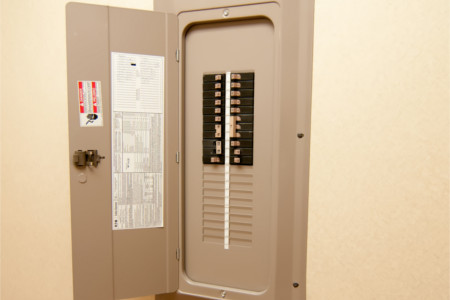
Many New Haven homes in East Rock, Westville, and Wooster Square were built long before EVs, heat pumps, and induction stoves. If you’re considering a Level 2 charger or other high‑draw appliances, your 100‑amp service may be at its limit. This guide explains the real electrical loads, visible warning signs, and the exact steps in a modern service “heavy‑up,” with a clear path to safe, code‑compliant panel upgrades.
Why Historic New Haven Homes Struggle With Modern Loads
Plenty of older colonials, multifamily houses, and brownstones around New Haven still rely on 60–100 amp service or even fuse boxes. These systems were sized for a different era. Today, homes add central AC, heat pumps, electric dryers, and chargers that all compete for the same limited capacity. Multifamily properties often layer on separate meter stacks and small panels per unit, which makes planning even more important.
Two limits usually show up first: total service amperage and breaker space. Even if a panel has a few empty slots, the overall service may not have the headroom for continuous, high‑amp loads. That’s why electricians run a load calculation before recommending a change. Guessing here can create nuisance trips or unsafe overheating.
What These New Loads Actually Draw
Here are common, realistic ranges. Your exact setup may vary based on model and home size.
Level 2 EV Chargers
Level 2 chargers typically operate from 32 to 48 amps on a 240V dedicated circuit. Because charging is a long, continuous load, breakers are sized at 125% of the charger current. That means:
- 32A charger uses a 40A breaker, about 7.7 kW
- 40A charger uses a 50A breaker, about 9.6 kW
- 48A charger uses a 60A breaker, about 11.5 kW
In a 100‑amp home that already runs AC, an electric dryer, and a kitchen suite, that extra 40–60A circuit often tips the calculation past safe capacity.
Modern Heat Pumps
Ducted or multi‑zone systems vary widely, but many outdoor units land in the 15–40A range at 240V. Air handlers can add 10–20A. If auxiliary heat strips are included for very cold snaps, they can add 30–60A depending on size. In a typical New Haven load calculation, a heat pump plus its air handler is a major addition.
Induction Ranges and Wall Ovens
Most full‑size induction ranges need a 40–50A, 240V circuit, often drawing 8–12 kW at peak use. Separate wall ovens are commonly 20–30A. Even if you rarely cook at full blast, the system must be able to support it safely.
Visible Warning Signs Your Panel Is Overloaded
If you notice any of the following, stop adding new loads and call a licensed electrician:
- Frequent breaker trips or lights that dim when larger appliances start
- Warm or hot panel cover, discoloration, scorch marks, or a burning odor
- Buzzer, crackling, or humming at the panel, especially under load
- Rust, corrosion, double‑tapped breakers, or brittle/cloth wiring nearby
- Fuse panel, or labeled Federal Pacific or Zinsco equipment
Panels that feel warm, smell burnt, or show scorch marks need immediate attention. Those are clear risk indicators, not “quirks” of an old house.
Local insight: United Illuminating serves most of New Haven. Utility scheduling and storm season can affect reconnection windows, so plan service upgrades a few weeks before extreme weather periods. A clean, labeled panel also helps future inspections and appraisals.
The Modern Heavy-Up: Concrete Steps In a Service Upgrade
Every property is different, but a professional heavy‑up follows a predictable, safe path. Specific permits and utility steps vary by municipality and utility in Connecticut.
- Assessment and load calculation. The electrician documents existing and planned loads, checks grounding and bonding, and inspects service entrance wiring and meter location.
- Scope selection. 100 to 200 amps is the most common target for historic homes planning an EV charger, heat pump, or induction range. Multifamily buildings may need coordinated upgrades by unit.
- Permitting and utility coordination. Your town’s permit and inspection process, plus utility disconnect/reconnect, are typically part of the workflow. Timelines vary.
- Service entrance and panel work. New panel with modern breakers, updated grounding and bonding, and, if needed, new meter socket and service conductors sized for the higher amperage.
- Labeling and verification. Circuits are labeled, GFCI/AFCI and surge requirements are addressed, and all terminations are torqued to spec.
- Inspection and power restoration. The inspector signs off per local process and the utility restores service.
If you want a deeper dive before you schedule a visit, skim the service overview at electrical services and bookmark our page on whole‑home surge protection to protect sensitive electronics once your new panel is in place.
Will a 100-Amp Panel Work With a Level 2 Charger?
Sometimes, but not always. If your home has modest electrical use and you choose a lower‑amp charger, the math can work. Some chargers and load‑management devices can also limit charging when other big appliances run. That said, many New Haven homes with central AC, a planned heat pump, or an induction range will not have lasting headroom at 100 amps. Load calculations, not guesswork, decide this safely.
If the goal is to “future‑proof” for multiple upgrades over the next few years, stepping up to 200 amps is often the smarter long‑term move. That choice reduces return visits, avoids change orders, and keeps your options open as electrification grows.
Where New Haven’s Architecture Changes The Plan
Each neighborhood brings quirks that affect panel upgrades:
East Rock and Prospect Hill. Many large, early‑1900s houses use finished basements and tight utility rooms. Planning clear working space in front of the panel and choosing meter locations that meet modern clearance rules make a big difference.
Westville and Beaver Hills. Two‑story colonials and capes often have older service conductors and limited breaker spaces. If a panel sits near a laundry, clearance and moisture control matter for safety and code compliance.
Wooster Square and Fair Haven. Multifamily and attached homes may have individual smaller services and older meter stacks. Coordinating by unit is key if multiple residents want to add EV charging or heat pumps over time.
How EV Charging Fits Into A Whole-Home Plan
Think through the next two to five years. If an EV is first, but a heat pump or kitchen upgrade is coming, plan capacity for all of it now. Your electrician can stage the work so the panel and service are ready, then add dedicated circuits as you install new equipment. A staged plan saves repeat permitting and keeps your walls closed longer.
Also consider charging habits. Overnight charging at 32–40 amps often meets daily needs, even for long commuters. If several drivers will share one charger, or you want faster top‑ups before winter storms, a 48‑amp charger on a 60‑amp breaker may be worth the added load. Pair that with whole‑home protection so voltage spikes don’t threaten your EVSE or appliances after the upgrade.
What Homeowners Can Expect On Upgrade Day
Power is typically off for most of one workday while the crew swaps equipment and completes testing. Sensitive electronics should be shut down in advance. Refrigerators and freezers usually hold temperature fine during a standard outage window; opening doors less helps. When power returns, the team verifies key circuits and labels so you can find them quickly later.
When To Call Electrical Services Group LLC
Call us if you see warm covers, scorch marks, frequent trips, or if you’re planning a Level 2 charger, heat pump, or induction range. Our licensed team will run the load calculation, map your future upgrades, and size a safe solution for your home’s age and layout. If a heavy‑up makes sense, we’ll coordinate the steps so the process is smooth and documented.
To see how a capacity upgrade unlocks your plans, read more about our New Haven work and schedule a visit on our panel upgrade page. You can also start at the electrical panel upgrade New Haven hub and explore related services as you plan.
Your Next Step: Build Capacity With Confidence
Whether you live in East Rock, Westville, or across town, Electrical Services Group LLC can prepare your home for EVs and efficient electric heating. We size your service for what you own today and what you will add tomorrow, then install and label everything cleanly for easy living.
Have questions about your 100‑amp panel, breaker space, or charger circuit size? Learn more about New Haven panel upgrades and replacements and how we protect new equipment with whole‑home surge solutions.